A Call for Proposals from the Radical History Review
Issue number 157 (January 2027)
Abstract Deadline: April 30, 2025
Co-Edited by Yalile Suriel, Kevin Murphy, and Sandhya Shukla
Radical History Review seeks contributions for a special issue exploring the university as a space for possession and dispossession. We ask how the university has become both a material and conceptual site for active discussions of who and what “the community” and “the public” are, and how they are best served and/or centered. This project is animated by contemporary events which have brought renewed popular attention to the life of the university, and what its many and varied comprising institutions enable and impede, for the public good and for social justice. Like any crisis, the one we face today has a history; it is one that we seek to open up with a range of potential scholarly and political interventions. Ultimately, we hope to contribute to a rigorous critical discourse on epistemology, intellectual practice, pedagogy, politics, and democracy, with a long view.
If the university has been considered a special kind of institution, it is one to which so many claims have been laid – the realization of the public sphere (accessible and unrestricted as its philosopher Jurgen Habermas would hope for?), and a site for struggle (where student protests are protected and therefore re-imagining becomes possible?). Contrary to stereotype, the university has been anything but an ivory tower. In many cities and suburbs around the world, different kinds of institutions of higher learning have been major property holders, primary generators of employment, and arenas of political expression for the places in which they are situated and the peoples that inhabit them. As such they have engendered brittle negotiations about who has a right to physical and social space and who should “develop,” maintain, and belong to it. Debates about free speech and academic freedom distill complexities inside and outside of university walls about the limits and possibilities of expression itself.
For this issue of Radical History Review, we seek contributions that treat such questions from a range of perspectives and with regard to early and recent history, and cases in the Americas, Europe, Asia, the Middle East and Africa. We are interested in scholarship from the burgeoning interdisciplinary field of “critical university studies,” as well as other fields in the humanities and social sciences. Included work may be featured as scholarly articles, reviews, interviews, interventions, or conversations among collaborating political actors.
Possible topics include:
- History of the university (pre-modern to the present) and debates about politics, knowledge and community
- Universities’ role in processes of urban renewal, gentrification, and displacement (including comparative and transnational analyses)
- Relationships between universities and local, regional and federal governments
- Community challenges to, and activist engagements with, the university
- Universities whose sovereignty has continually been challenged or violated in Latin America and other contexts
- Public histories which seek to make sense of the experience and ideals of the university
- Economics of universities (including relationships to military, medical, and intelligence regimes; endowments, budgets, and taxation)
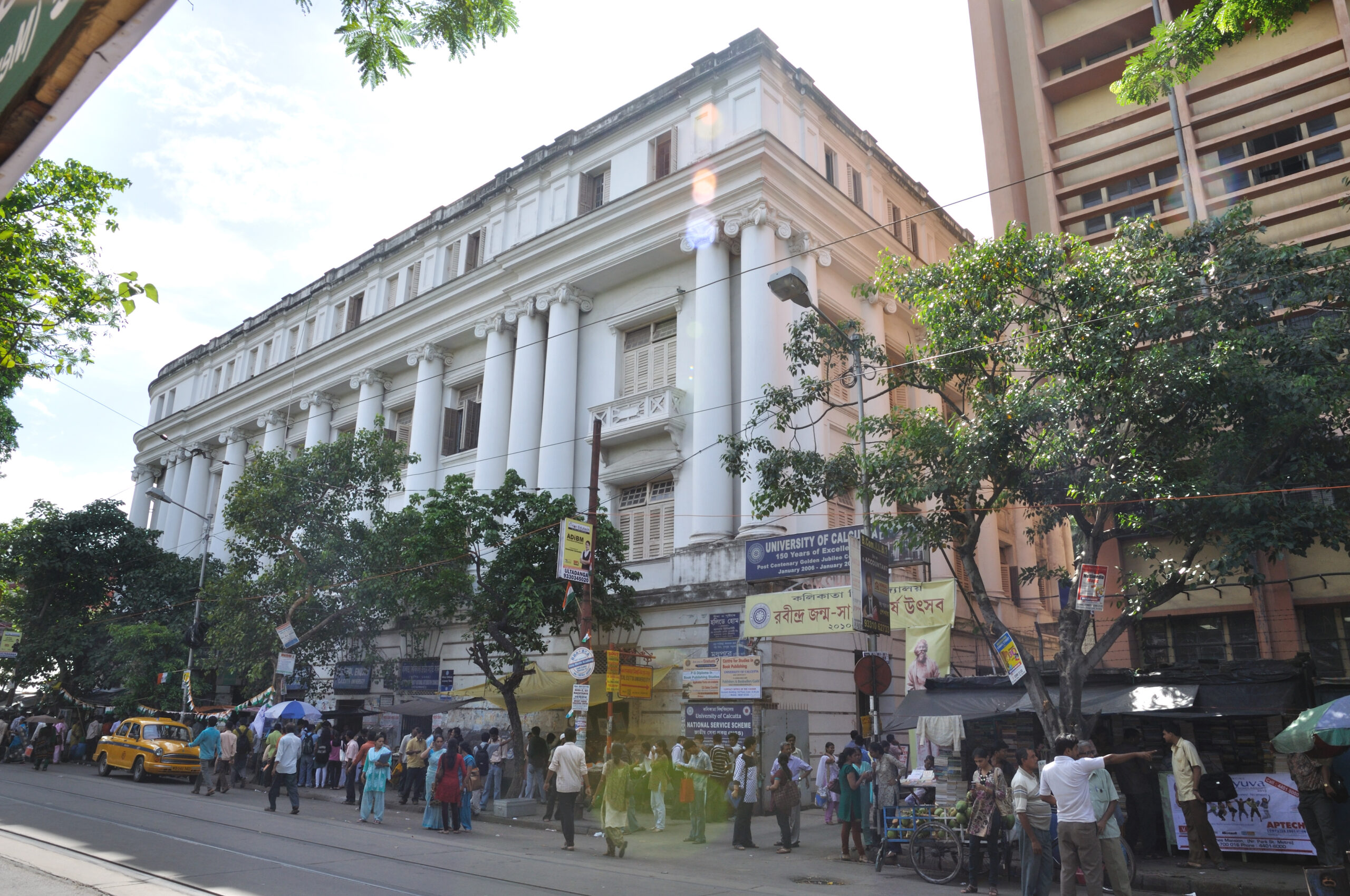
- The space and/or architecture of the university
- Struggles over high tuition costs, access, and participation
- Discerning the politics of knowledge at different kinds of institutions, including community colleges, liberal arts colleges, public universities, religious colleges, and more
- Histories of policing at colleges and universities
- HBCUs (Historically Black Colleges and Universities) and their regional and local impacts
- Land/property and the university (histories of the “land-grant” university and expropriation of indigenous peoples’ lands; other settler-colonial contexts for institutions of higher learning)
- Rethinking the public and private of the public university
- Political relationships within and across national university formations (BDS, divestment, anti-censorship; LGBTQ organization, #metoo, and more)
- Universities as spaces as asylum
- Projects around the world to reimagine the university
Radical History Review publishes material in a wide variety of forms. The editors will consider research articles and extended essays; interviews; conversations between scholars and/or activists; brief interventions and commentaries; essays on museum and other public forums; film and book review essays; annotated course syllabi. Inquiries are welcomed and may be sent to issue editors: ysuriel@umn.edu, kpmurphy@umn.edu, or ss9fp@virginia.edu.
Procedure for submission of articles:
By April 30, 2025, please submit a 1-2 page abstract summarizing the article you wish to submit to our online journal management system, ScholarOne. To begin with ScholarOne, sign in or create an account at https://mc04.manuscriptcentral.com/dup-rhr. After signing in, select “Author” from the menu up top, and click “Begin Submission” or “Start New Submission.” Upload a Word or PDF document, including any images within the document. After uploading your file, select “Proposal” as the submission type and follow the on-screen instructions. Please include “Issue 157” in addition to the rest of your proposal title the “Title” field when filling in the form that follows. Feel free to write to the journal’s managing editor at contactrhr@gmail.com if you encounter any technical difficulties or have any other questions about the process.
By May 31, 2025, authors will be notified about whether they should submit a full version of their article for peer review. The due date for completed articles is expected to be August 31, 2025. Those articles selected for publication after the peer review process will be included in issue 157 of the Radical History Review, scheduled to appear January 2027.
Abstract Deadline: April 30, 2025